
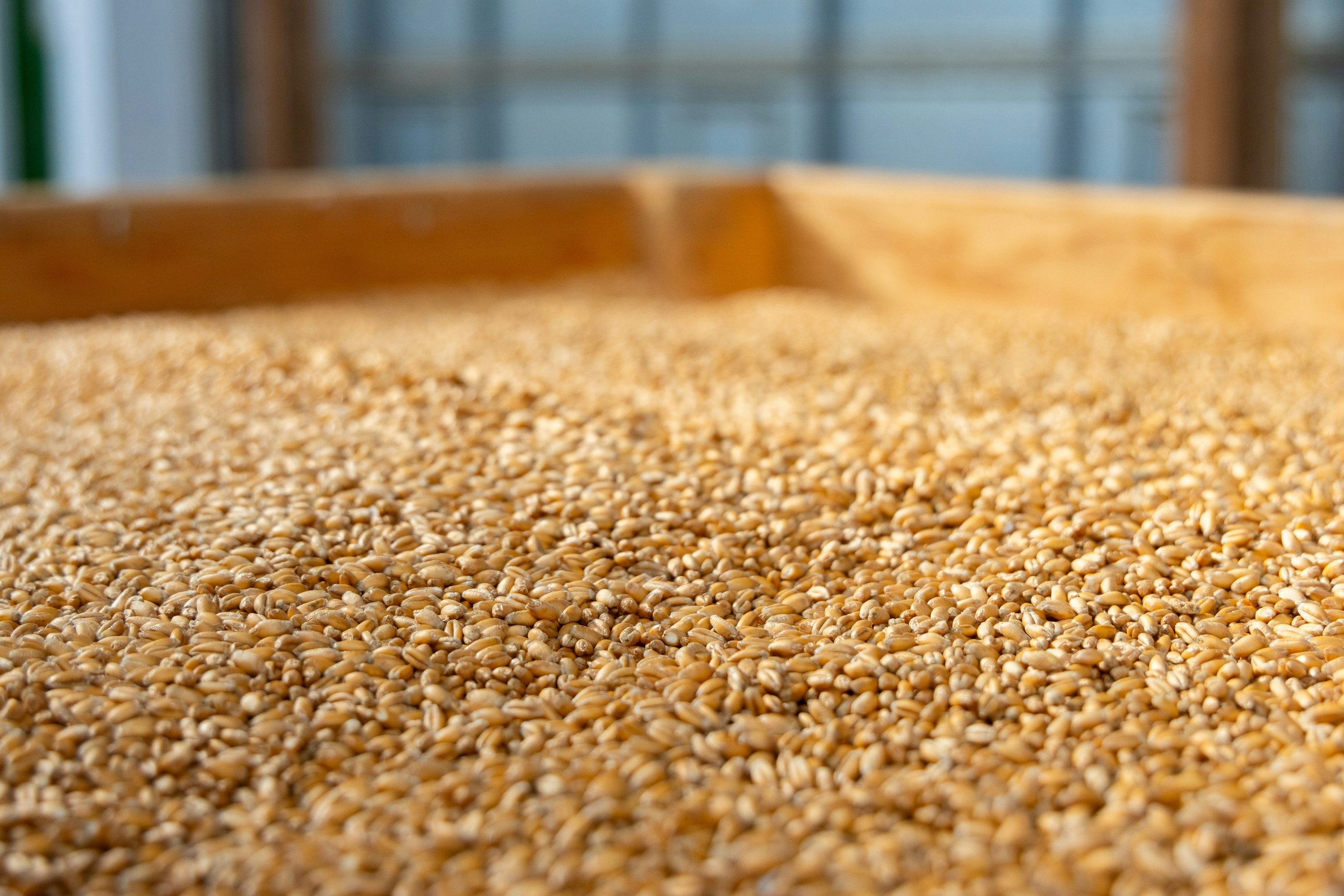
Brewhouse Efficiency Calculator
Brewhouse efficiency calculates how much sugar you pulled from your grain compared to how much was available. Here’s a calculator to see what your efficiencies are.
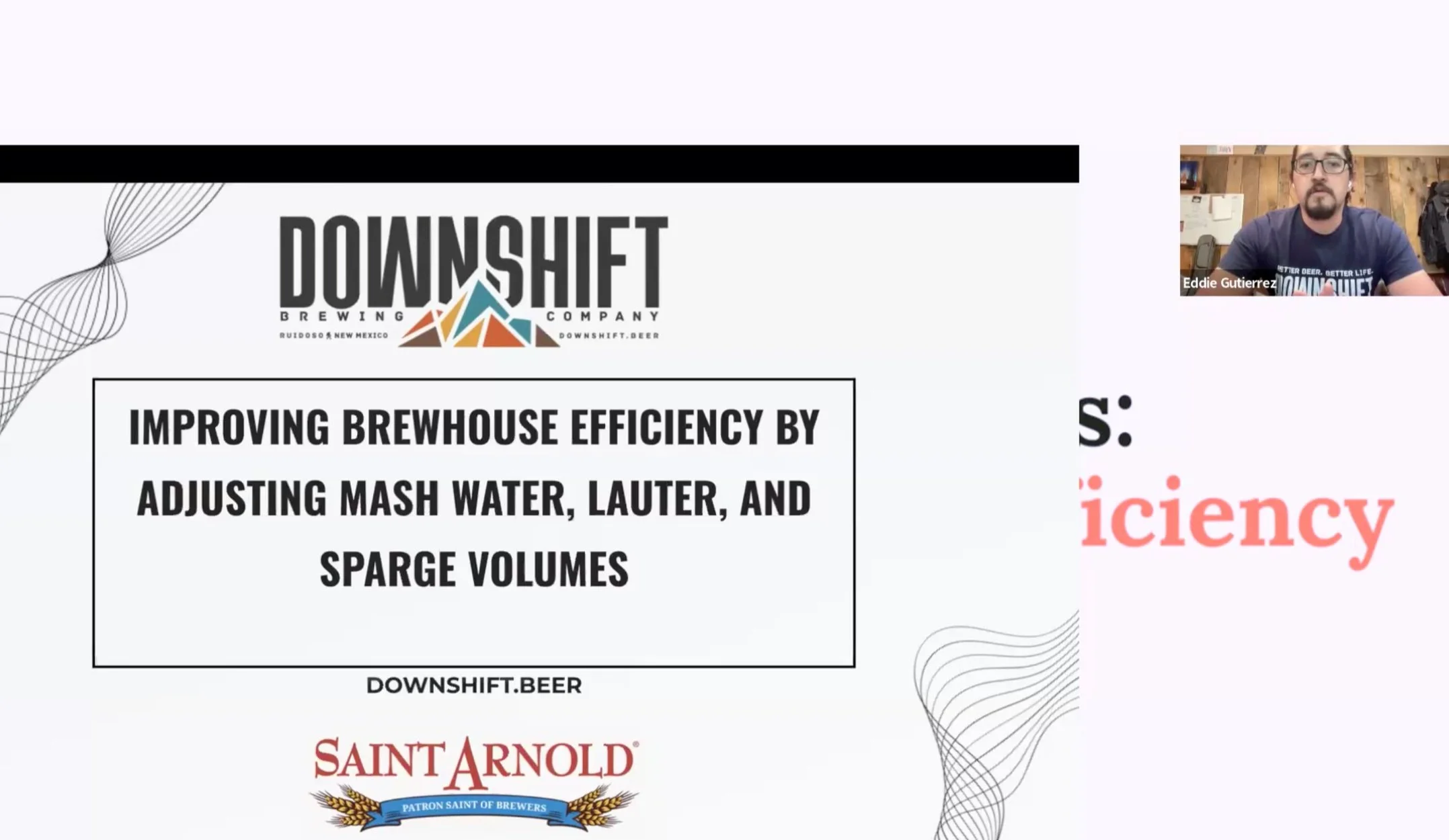
Brewhouse Efficiency: Practical Methods for Improving
Van Havig and Eddie Gutierrez talk about optimizing brewhouse efficiency by adjusting mash/sparge volumes, adjusting lautering technique, and dialing in grist ratio.
Yeast Management and Pitching Calculations
Different methods for calculating pitch amounts, some rules of thumb on yeast management, and calculators to make the process simpler.

Supplier Data Collaboration
Experts in yeast, hops, and malt, Richard Preiss, Amaey Mundkur, and Dustin West, reveal the data they lean on and processes they take to best diagnose issues and provide solutions with the materials they produce.

Data Roast
Brian Faivre, Richard Preiss, and Brynn Keenan uncover relationships between brewhouse data and cellar data, allowing you to follow along as the team gives feedback on the brewery's process and offers suggestions for optimization.
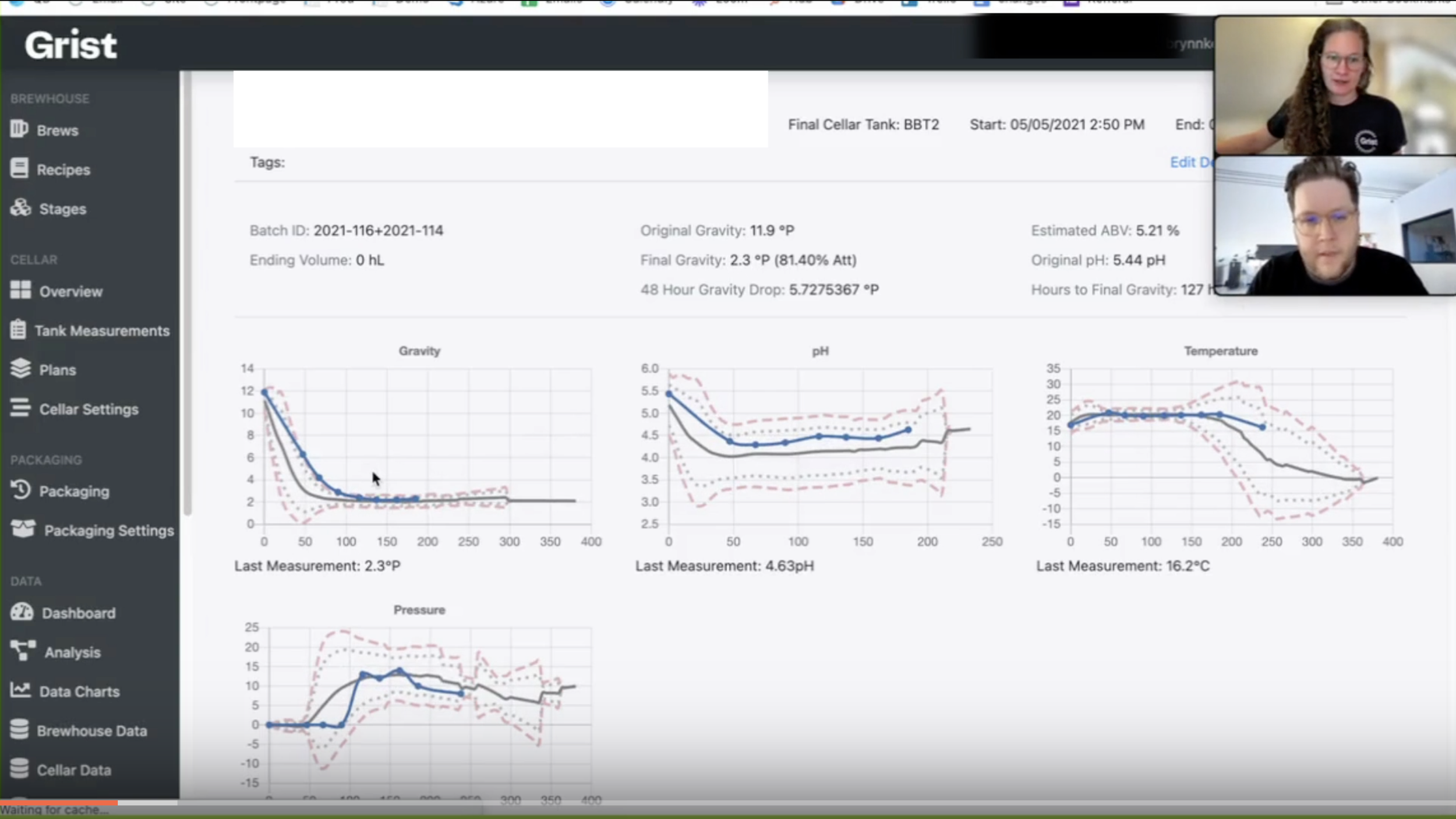
Example Cellar Review
Example review of cellar data - what is “good” for time to final gravity, fermentation consistency, and attenuation?
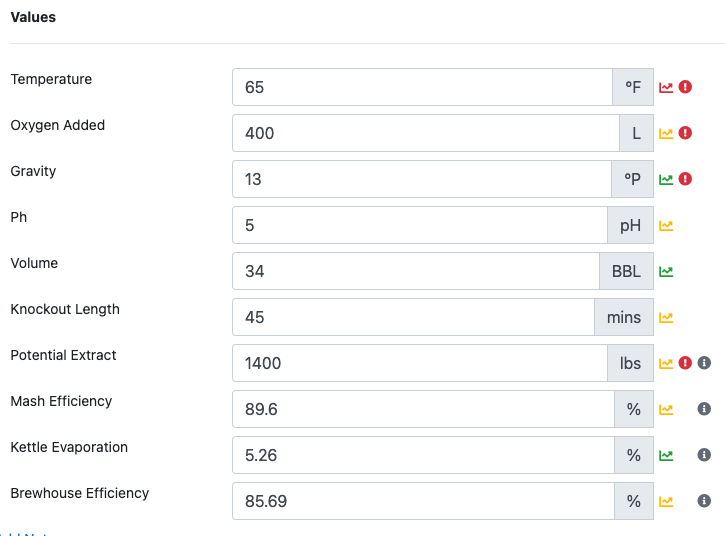
Recommended Brewlog Measurements
What measurements should you record, why, and what values are “good”?
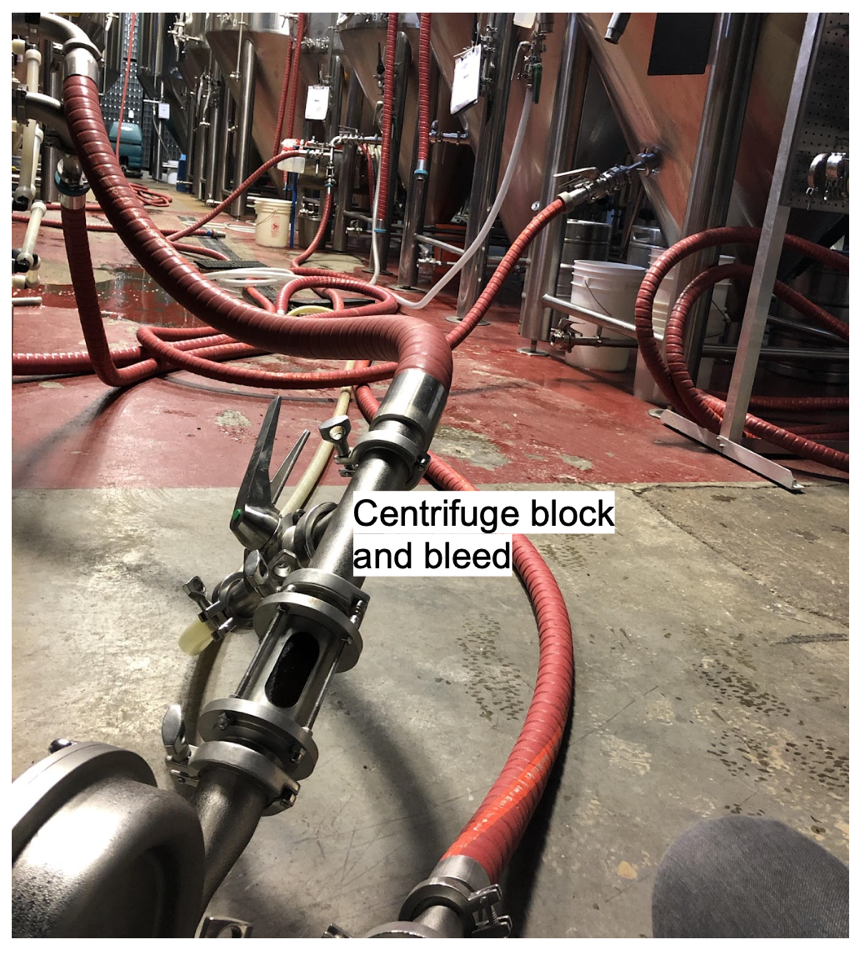
Centrifuging Hazy IPAs
This procedure is valid for craft and microbreweries that centrifuge Hazy (NE)IPAs.

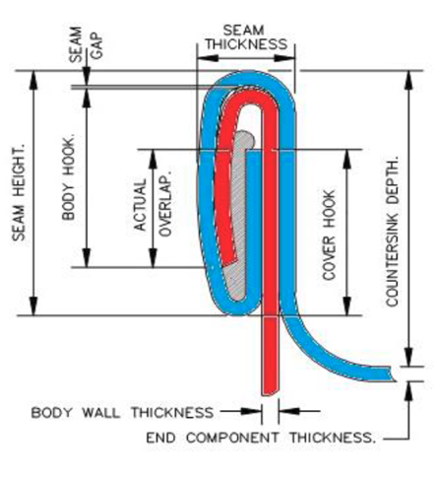
Can Seam Inspections
Seam inspections are critical for quality packaged products to ensure the integrity of the liquid inside.
Proper Passivation of Stainless Steel
Passivation is a chemical process that prevents corrosion by providing stainless steel with a protective molecular layer.
Mid Ferm Yeast Harvest (from blow-off arm)
This procedure is valid for breweries that use high-krausening yeast strains that need to be harvested prior to dry hopping.
Safer Mid-Fermentation Dry Hopping
This procedure is valid for breweries that do mid-fermentation dry hopping and would like to reduce the risk of hop volcanoes.
pH Reduction of Finished Beer
To reduce the finishing pH of a beer in order to meet food safety, sensory, head retention, or haze stability requirements.
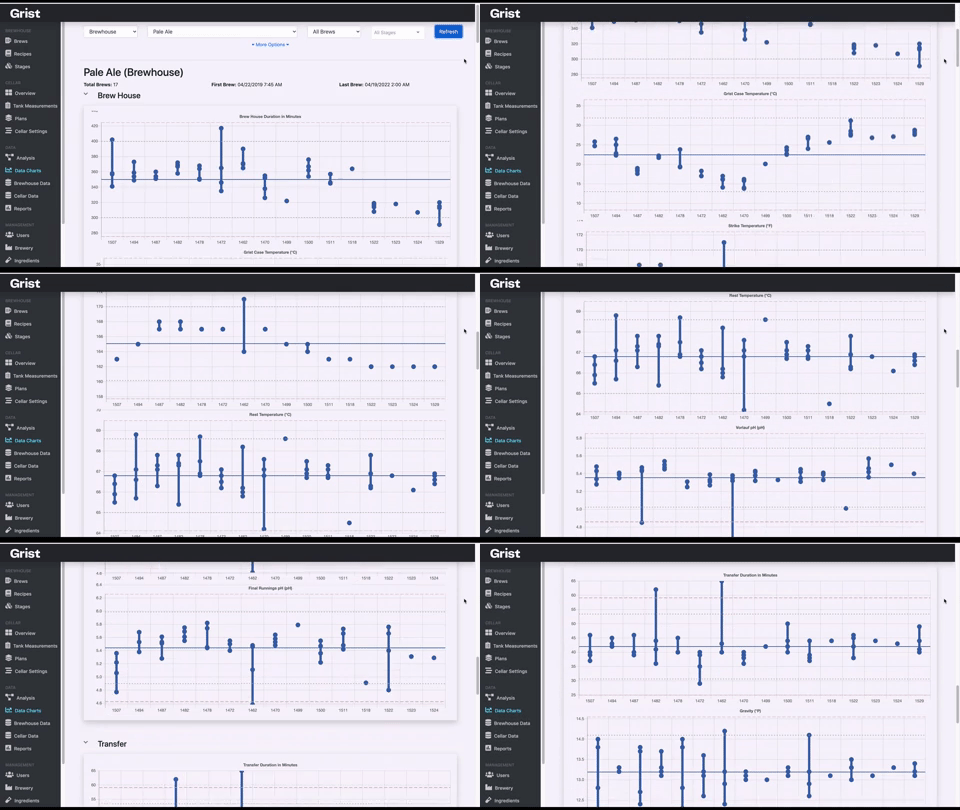
Part 1 - Data Analysis for Craft Breweries
Every brewery has unused production data whether it's on paper, google sheets, or a software platform. When used properly this data is an integral part of a QC program.

Dry Hop Creep
With process strategies ranging drastically between breweries it’s clear why some Grist users are achieving IPA cellar times of 150hrs with no diacetyl/over attenuation issues, while others are taking 500hrs.
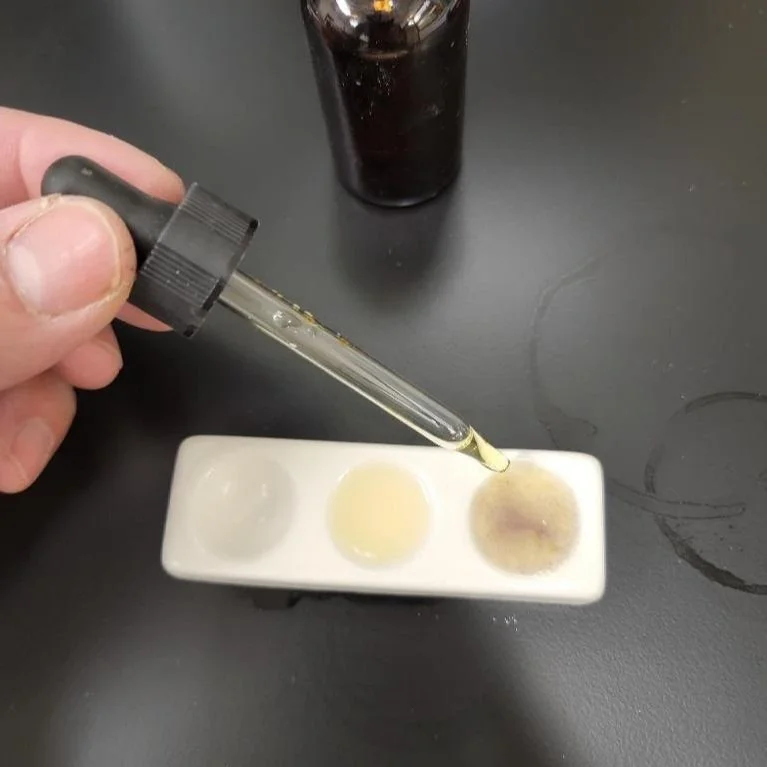
Starch Conversion
To collect and test mash samples for complete starch conversion. This validates that the mash is progressing as it should which is critical to brewhouse efficiency and consistency.
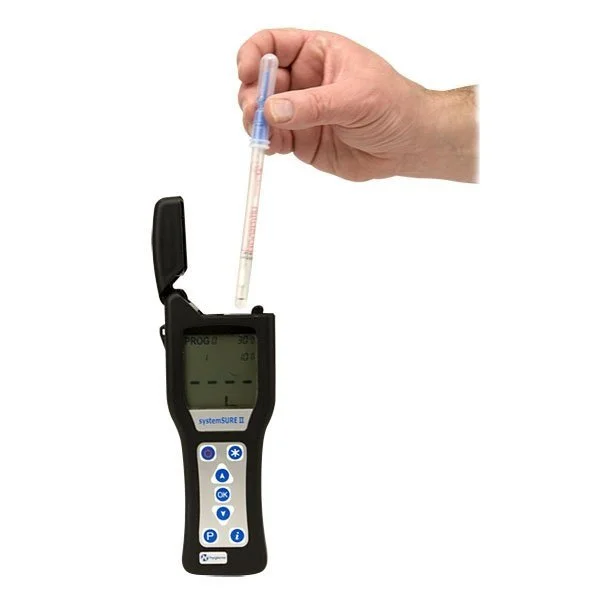
ATP Swab Testing
To validate CIP (Cleaning in Place) process and ensure proper cleaning of vessels. This procedure will mainly focus on CIP Rinse water, but the concepts apply for surface sampling validation.